
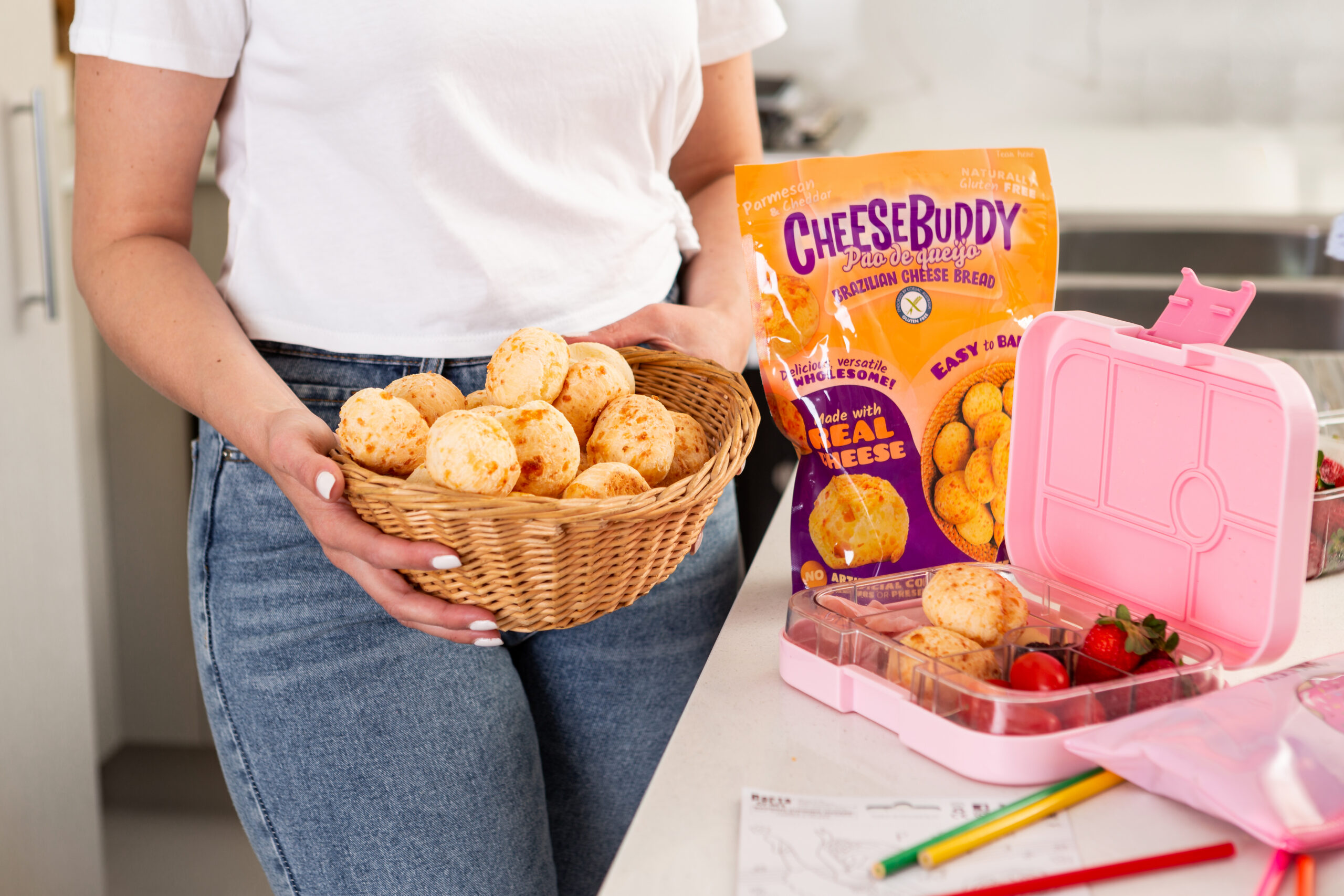
Not long ago, gluten-free foods were associated almost exclusively with people living with celiac disease or gluten sensitivity. Today, however, they have become part of a much broader conversation about food quality, transparency and conscious eating.
As consumers pay closer attention to ingredients and processing methods, naturally gluten-free foods are attracting interest from people with different lifestyles and dietary preferences.
This shift doesn’t mean that everyone should avoid gluten. Instead, it reflects a growing curiosity about foods made with simpler ingredients and traditional recipes that naturally fit into a balanced diet.
Understanding gluten-free foods
Gluten is a protein found in grains such as wheat, barley and rye. For people with celiac disease, consuming gluten can trigger serious health issues, making a strict gluten-free diet essential. However, beyond medical necessity, gluten-free foods have gained visibility because many consumers associate them with lighter, less processed eating habits.
The growing demand has encouraged food producers to rethink recipes and create products that deliver the same satisfaction while relying on alternative ingredients. At the same time, many traditional foods from different cultures have always been naturally gluten-free, proving that eating without gluten is not a modern invention but often part of long-established culinary traditions.
Why naturally gluten-free foods stand out
One of the biggest trends in today’s food industry is the search for authenticity. Consumers are increasingly interested in products that don’t need to be heavily modified to meet dietary preferences.
Naturally gluten-free foods often fit perfectly into this expectation. Rather than relying on significant recipe modifications, many of these foods have always been prepared using simple, familiar ingredients. Their long-standing traditions create a strong sense of authenticity while allowing people to enjoy familiar flavours in a naturally gluten-free way.
As interest in clean-label products continues to grow, foods with short ingredient lists and recognizable components are becoming increasingly appealing.
More than a dietary restriction
The popularity of gluten-free foods also reflects a broader cultural movement toward mindful eating. Consumers want food that supports their routines without feeling overly processed or unnecessarily complicated.
This doesn’t mean gluten-free automatically equals healthier. Nutritional value always depends on the ingredients and preparation. Still, products made with high-quality ingredients and minimal processing often resonate with people looking for balance rather than strict dietary rules.
That is why gluten-free foods are appearing in more kitchens, lunch boxes and social gatherings—not because everyone has a medical restriction, but because many appreciate foods that feel simple, wholesome and enjoyable.
A growing opportunity for traditional foods
As people explore international cuisines, many discover that some of the world’s most beloved traditional recipes naturally align with today’s eating habits. Foods that have been prepared the same way for generations are finding new audiences thanks to their authenticity and uncomplicated ingredient lists.
This creates an opportunity for consumers to experience different cultures through food while enjoying products that fit contemporary preferences. Rather than reinventing tradition, these recipes demonstrate how timeless flavours can remain relevant in modern lifestyles.
Looking ahead
The rise of gluten-free foods reflects changing consumer priorities. People are increasingly interested in understanding what they eat, where ingredients come from and how food fits into a balanced lifestyle.
As this movement continues, naturally gluten-free products are likely to play an even greater role in everyday eating. Their appeal goes beyond dietary restrictions, offering an authentic, approachable and flavours way to discover foods that combine tradition with the expectations of today’s consumers.