The way people consume healthy snacks has changed significantly in recent years.
Previously associated with indulgence, excessive sugar, and highly processed ingredients, snacks are now being redefined as a moment of balance amid busy routines.
With the growing awareness of nutrition and well-being, healthy snacks are increasingly seen not just as an exception, but as a natural extension of daily eating habits.
This transformation is closely linked to lifestyle changes. Longer days, flexible working hours and constant connectivity have made small meals throughout the day more common.
In response, consumers are looking for foods that provide comfort and practicality without the heaviness often associated with traditional packaged snacks.
More than ever, food choices reflect personal values. In other words, what people eat between meals has become a reflection of how they want to feel: mindful of their bodies.
From convenience to consciousness
The rise of healthy snacking is not about perfection or restriction.
It is about awareness. Consumers are questioning how foods are made, where ingredients come from and how much processing is involved before something reaches the shelf.
This shift toward mindful eating has driven interest in snacks that more closely resemble real food. Simpler recipes, recognizable ingredients, and fewer additives have become important factors, especially for those seeking convenience without compromising on quality.
Healthy snacks naturally fit into this context because they allow people to nourish themselves throughout the day in a way that feels intentional rather than automatic.
Why gluten-free snacks appeal to a wider audience
In this context, gluten-free snacks have gained relevance far beyond medical necessity. Although originally created for people with gluten intolerance, these products are now appreciated by consumers who associate them with healthier formulations.
For many, choosing gluten-free is less about elimination and more about perception. It signals a preference for foods that are less processed and easier to understand.
This growing interest has encouraged brands to reinterpret traditional recipes, offering familiar flavors in formats that align with modern expectations of health and transparency.
The appeal lies not in novelty, but in trust.
Healthy snacks and the search for balance
As eating habits improve, natural snacks have become a bridge between tradition and innovation. Today’s consumers don’t want to choose between taste and wellness.
They expect both. This expectation has reshaped the role of snacks in daily life.
Instead of serving as a quick fix, they are now seen as an opportunity to pause, refuel and reconnect with food in a more meaningful way. The popularity of clean label foods reinforces this idea, highlighting a desire for honesty and minimal intervention in what we eat.
A reflection of modern food culture
The growing presence of healthy snacks on shelves around the world reflects a broader cultural movement. Food is no longer evaluated only by calories or convenience, but by how it aligns with personal values and long-term well-being.
As consumers continue to explore lighter, more natural options, snacks become an entry point into new food cultures and smarter choices. This evolution opens space for rediscovering traditional foods through a modern lens, positioning healthy snacking as both a practical habit and a reflection of contemporary lifestyles.
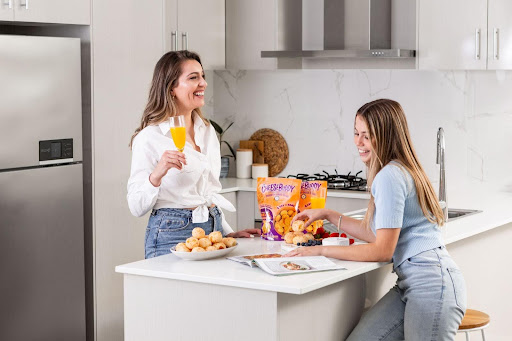
For those looking to experience this balance in a simple and flavorful way, Cheeseebuddy offers a snack that brings together tradition, convenience and mindful ingredients.
Made to fit into busy routines without giving up on taste, it’s an example of how healthy snacks can be both comforting and aligned with today’s conscious eating habits.
Discover how Cheeseebuddy can become part of your everyday moments.